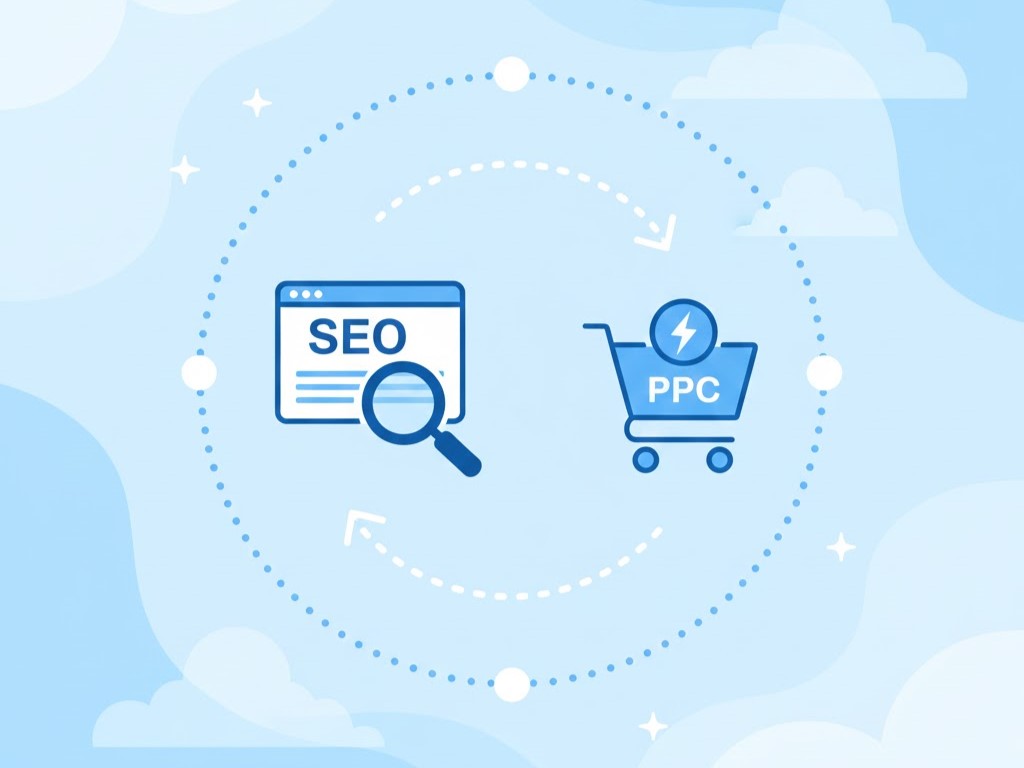
SEO vs PPC in Boston: Which Generates Better ROI for Small Businesses?
Boston is one of the most competitive markets in the U.S.whether you’re a local tech startup, a home services company, a restaurant, a real estate agency, or a professional service provider. With so many businesses fighting for visibility, one question comes up over and over again:
Should I invest in SEO or PPC? Which one brings better ROI for my Boston business?
The truth is simple:
Both SEO and PPC work but in different ways, with different timelines, and different returns.
Below is a complete, easy-to-understand breakdown based on insights from leading PPC Agency Boston teams and expert SEO Services Boston consultants.
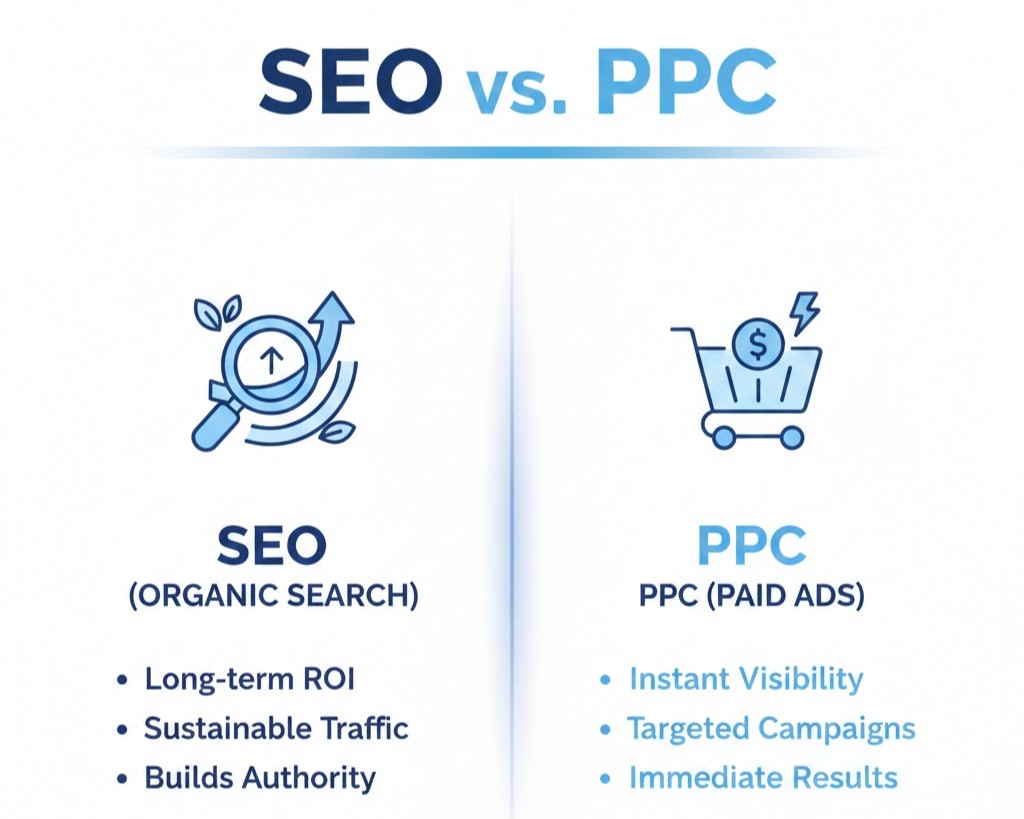
SEO (Search Engine Optimization)
SEO focuses on ranking your website organically on Google without paying for clicks. It takes time, but once rankings improve, your traffic becomes consistent and cost-efficient.
SEO works best for businesses that want:
Steady long-term growth
Trust-building and brand authority
Free organic clicks
Strong visibility for local keywords such as “Boston SEO consultant” or “plumber near me Boston”
PPC (Pay-Per-Click Advertising)
PPC places your ads at the very top of Google instantly but you pay each time someone clicks. PPC stands for Pay-Per-Click, a form of paid search where advertisers create ads that appear as search ads at the top of paid search results.
To set up a PPC campaign, you create ads for paid search campaigns, choosing keywords, ad formats, and targeting options. PPC ads can drive targeted traffic and deliver immediate traffic, especially for highly competitive keywords where organic ranking is difficult. This makes PPC ideal for driving traffic quickly through search ads and paid search results.
Full control over your digital marketing budget, targeting, and messaging
Strong results for high-intent keywords
Think of PPC as the “fast lane,” while SEO is the “long-run engine” of your online growth. Choose the right approach by aligning your strategy with your business goals.
Introduction to SEO and PPC
Search engine optimization (SEO) and pay-per-click (PPC) advertising are the backbone of any broader digital marketing strategy. SEO is all about improving your website’s position in organic search results on search engines like Google, helping your business appear naturally when customers search for your services. This long-term strategy builds trust and credibility, as users tend to trust organic search results more than paid ads.
On the other hand, PPC advertising allows you to create paid ads that show up instantly at the top of search engine results pages (SERPs). This approach is perfect for businesses that need immediate visibility or want to promote time-sensitive offers. By understanding the strengths of both SEO and PPC, you can allocate your marketing budgets effectively and ensure your marketing strategy delivers the best possible results. Whether you’re aiming for sustainable growth or quick wins, knowing when to use SEO, PPC, or both is key to digital marketing success.
Keyword Research and Planning
Keyword research is the foundation of successful SEO and PPC campaigns. For both SEO and PPC, it starts with identifying the relevant keywords and phrases your target audience is searching for on search engines. In SEO, these keywords help you optimize your website content and meta descriptions, making it easier to rank higher in organic search results and attract more qualified visitors.
For PPC campaigns, keyword research is used to create highly targeted ads that appear when users search for specific terms. This is especially important for competitive keywords, such as those in legal or financial industries, where ranking organically can be challenging. In these cases, PPC offers a way to reach your audience quickly. Effective keyword research and planning ensure your business drives targeted traffic to your website, increases conversion rates, and gets the most out of both SEO and PPC strategies.
Landing Pages and Conversion Rates
Landing pages are the gateway to turning website visitors into customers, making them essential for both SEO and PPC strategies. In SEO, well-optimized landing pages that target relevant keywords and provide a seamless user experience can boost your organic rankings and attract more relevant traffic. For PPC campaigns, landing pages need to match the ad copy and keywords closely, ensuring visitors find exactly what they’re looking for—this alignment is key to improving conversion rates.
Unlike SEO, which can deliver ongoing organic traffic with consistent effort, PPC requires ongoing investment to maintain visibility and drive traffic. However, PPC can generate immediate sales and help build brand awareness quickly, making it a powerful complement to your SEO efforts. By combining both SEO and PPC strategies, you can drive more relevant traffic to your site, improve conversion rates, and achieve your marketing goals faster and more efficiently.
So, Which One Offers Better ROI in Boston?
There is no one-size-fits-all. When considering seo versus ppc in Boston, ROI depends on:
Your industry competitiveness
Your budget (including ppc costs)
Your goals (fast leads vs steady growth)
Whether your audience is search-heavy or comparison-heavy
Website traffic as a critical metric for measuring success
Combining marketing efforts across both SEO and PPC can maximize ROI by leveraging the strengths of each channel.
That said: SEO generally delivers higher long-term ROI, especially with a well-planned seo strategy, while PPC gives faster short-term ROI. SEO converts at a higher rate in some industries, such as legal, finance, and B2B, compared to paid search.
Let’s break them down individually.
SEO ROI (Search Engine Optimization ROI) for Boston Businesses
Boston is a high-intent city. People frequently search for local services, which makes SEO extremely valuable, especially when leveraging local SEO strategies to optimize for Boston-specific searches and attract nearby customers.
Why SEO delivers better long-term ROI:
Organic clicks cost nothing
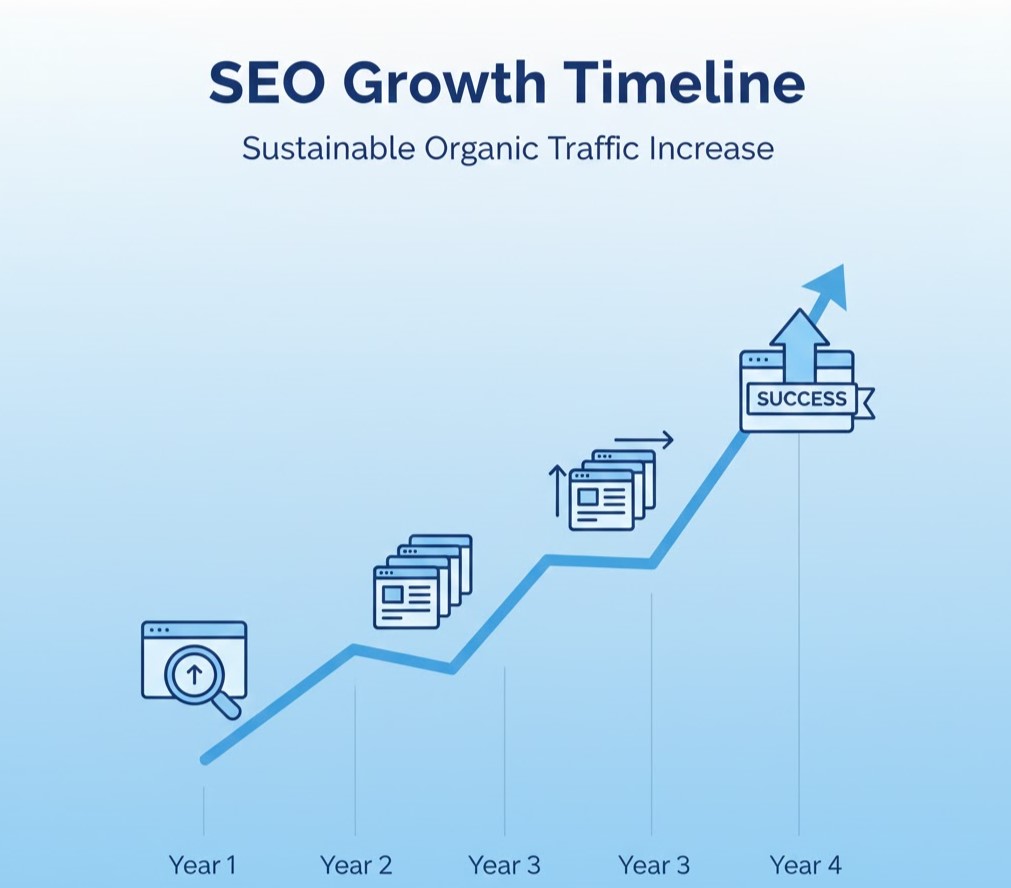
Rankings continue delivering traffic for months or years
Searchers trust organic results more than ads; users trust organic results more than paid ads, which increases click-through rates and conversions
Authority compounds over time by building links from other websites
If you want results that keep growing, SEO becomes a major asset over time, driving long term organic growth through ongoing optimization and well-planned SEO campaigns.
PPC ROI for Boston Businesses
If speed matters, PPC is unbeatableespecially with a skilled PPC Agency Boston optimizing your campaigns. As a form of paid advertising, PPC offers fast, controllable results and the ability to drive targeted traffic to your website.
Why PPC brings strong short-term ROI:
Google Ads get instant placement, including paid search ads at the top of search engine results pages
You reach people actively searching for your services
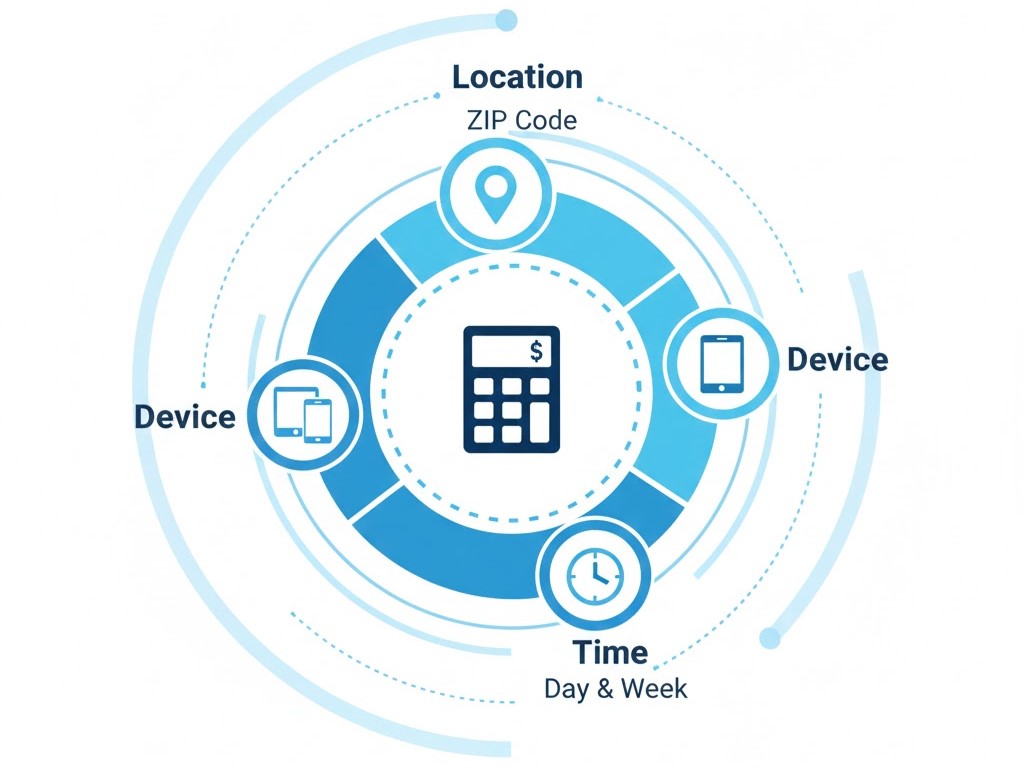
You can target by ZIP code, income level, device, time, and more