Top Web Designing and Development Trends for Businesses in the USA
In the current landscape of the American economy, your website is no longer just a digital brochure or a “nice-to-have” business card. It is the literal front door of your brand. Whether you are a boutique firm in New York or a manufacturing giant in the Midwest, the way you present yourself online determines your credibility before a single word is ever spoken. The reality is that consumers today are impatient and highly skeptical. They make a judgment about your business’s competence in less than a second based solely on how your site looks and feels.
This is where the distinction between a “generic” website and professional Web designing Services USA becomes critical. We are moving away from an era where “good enough” was acceptable. To compete in a market as saturated as the United States, your digital presence needs to be a perfect marriage of high-level aesthetics and deep-level functionality. It isn’t just about pretty colors; it’s about a strategic framework that guides a complete stranger through a journey that ends in a conversion.
The Intersection of Visual Storytelling and User Experience
When we talk about high-end design, people often get caught up in the visuals. While a stunning layout is important, it is only one piece of the puzzle. The most effective designers in the industry understand that design is actually a form of communication. It tells the user where to look, what to value, and how to feel. A professional approach to design focuses on “user-centricity” the idea that every button, every image, and every line of text exists to make the visitor’s life easier.
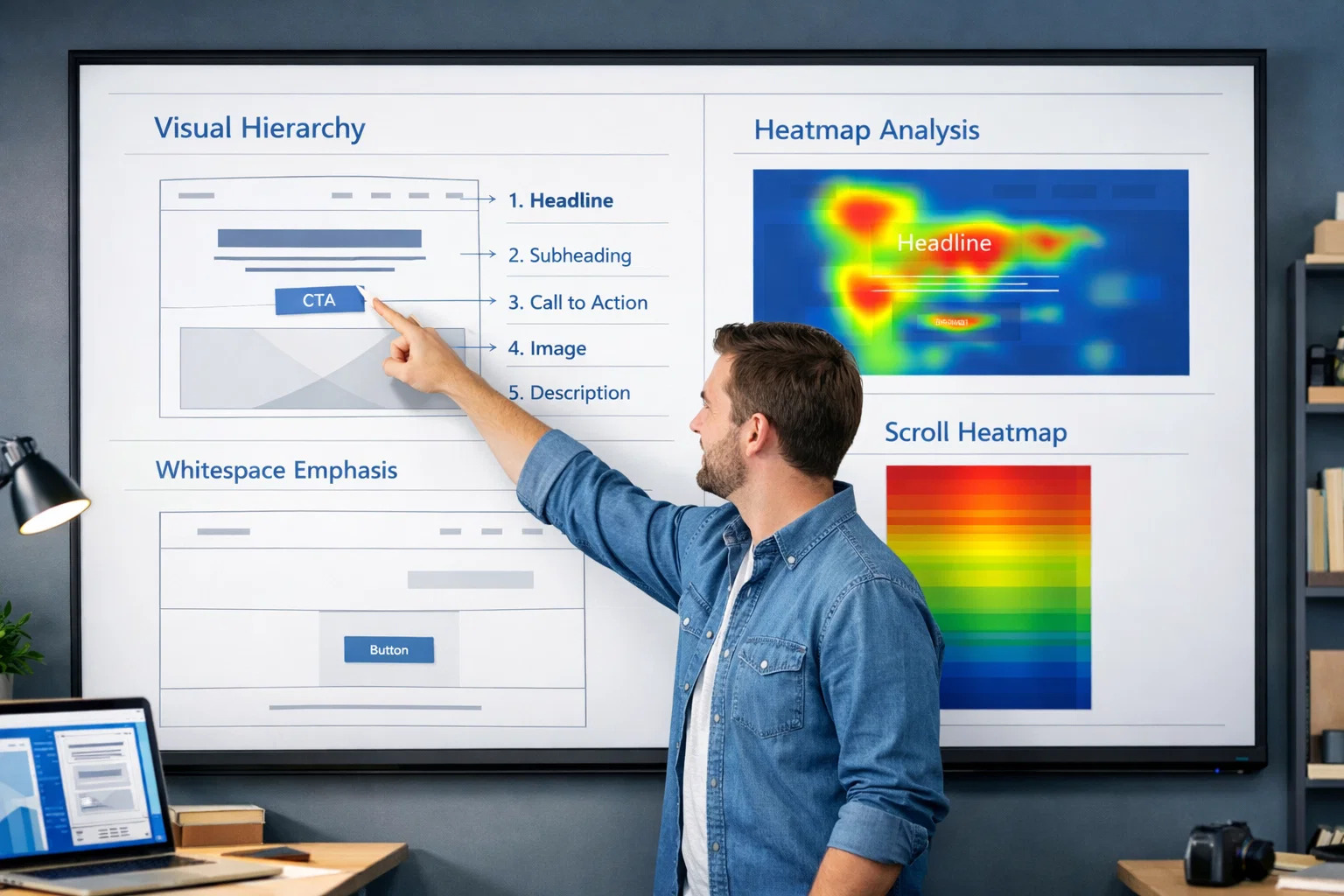
In the US market, users expect a high level of polish. If a site feels clunky or outdated, it triggers a “distrust” response. This is why professional design services focus so heavily on the psychological aspects of browsing. They look at heatmaps to see where eyes naturally land and use “white space” to prevent the user from feeling overwhelmed. The goal is to create a seamless flow where the user doesn’t have to think about what to do next; they are simply led there by the design.
Technical Foundations and the Role of Modern Development
Once the visual blueprint is set, the invisible heavy lifting begins. This is where Web development Services USA come into play. If design is the skin and personality of your website, development is the skeleton, muscle, and nervous system. A beautiful site that takes five seconds to load is, for all intents and purposes, a broken site. In the eyes of both Google and your potential customers, speed and stability are non-negotiable.
Modern development is about much more than just writing code; it’s about choosing the right architecture for the future. Are you building a site that can handle a 500% spike in traffic during a holiday sale? Is the backend easy enough for your marketing team to update without calling a developer every time they need to change a sentence? Professional developers focus on “clean code,” which ensures that your site is secure from vulnerabilities and easy to scale as your business grows. They handle the complex integrations CRMs, payment gateways, and inventory systems that turn a simple website into a powerful business tool.
The Mobile-First Mandate in the American Market
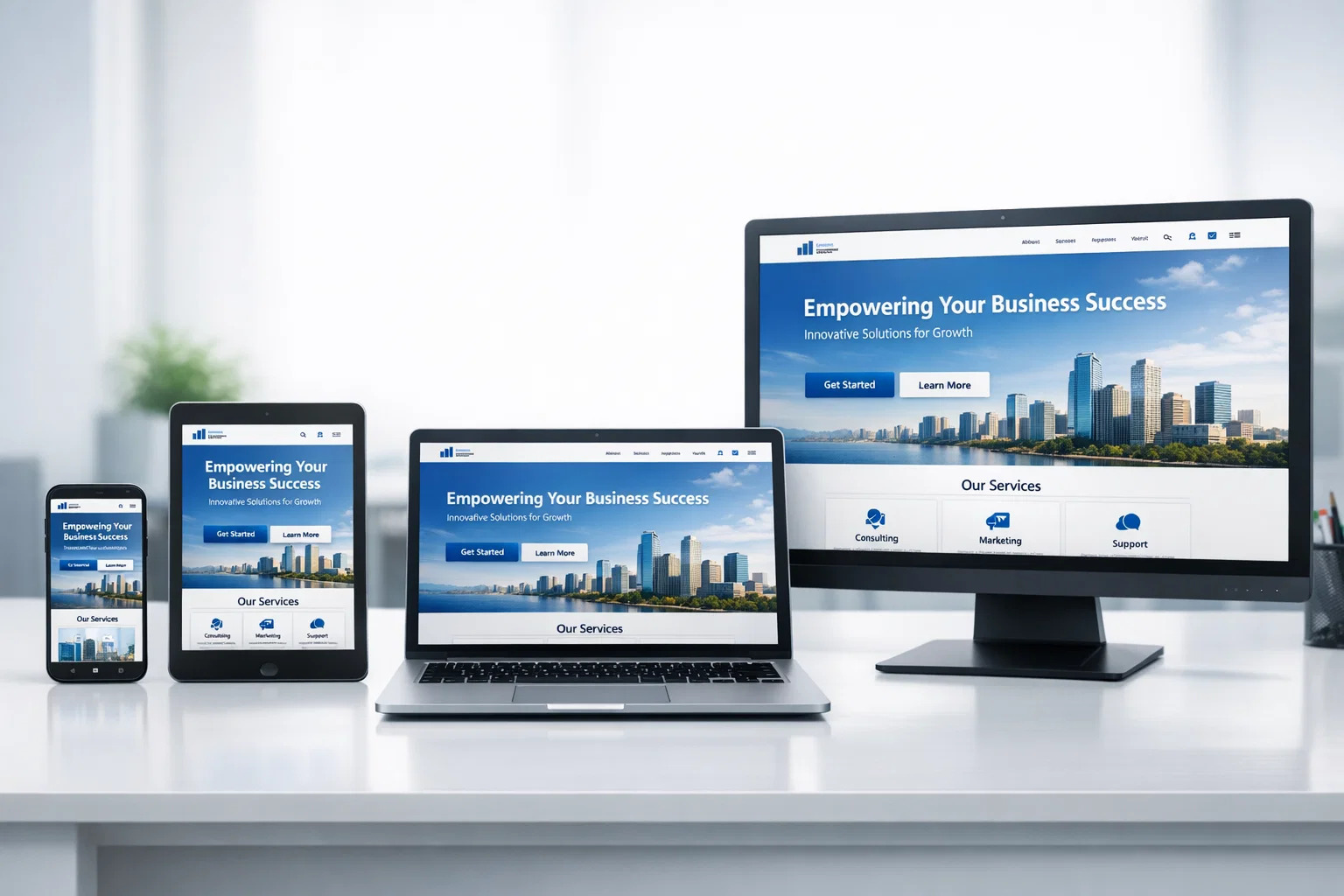
We’ve heard for years that mobile is important, but in 2026, mobile is the standard. A massive majority of web traffic in the United States now comes from handheld devices. If your site was built for a desktop and “shrunk down” for a phone, you are likely losing a significant portion of your leads. Professional web strategy now starts with the phone and scales up to the laptop, rather than the other way around.
Responsive design is no longer a “feature” it’s a requirement. This means the site doesn’t just resize; it reflows. Buttons become “thumb-friendly,” images are compressed to save data without losing quality, and the navigation simplifies so that users can find what they need with a single tap. When a business invests in high-tier development, they are ensuring that their brand looks just as authoritative on a 6-inch screen as it does on a 30-inch monitor. This consistency builds a level of trust that “DIY” website builders simply cannot match.
Speed as a Competitive Advantage and SEO Driver
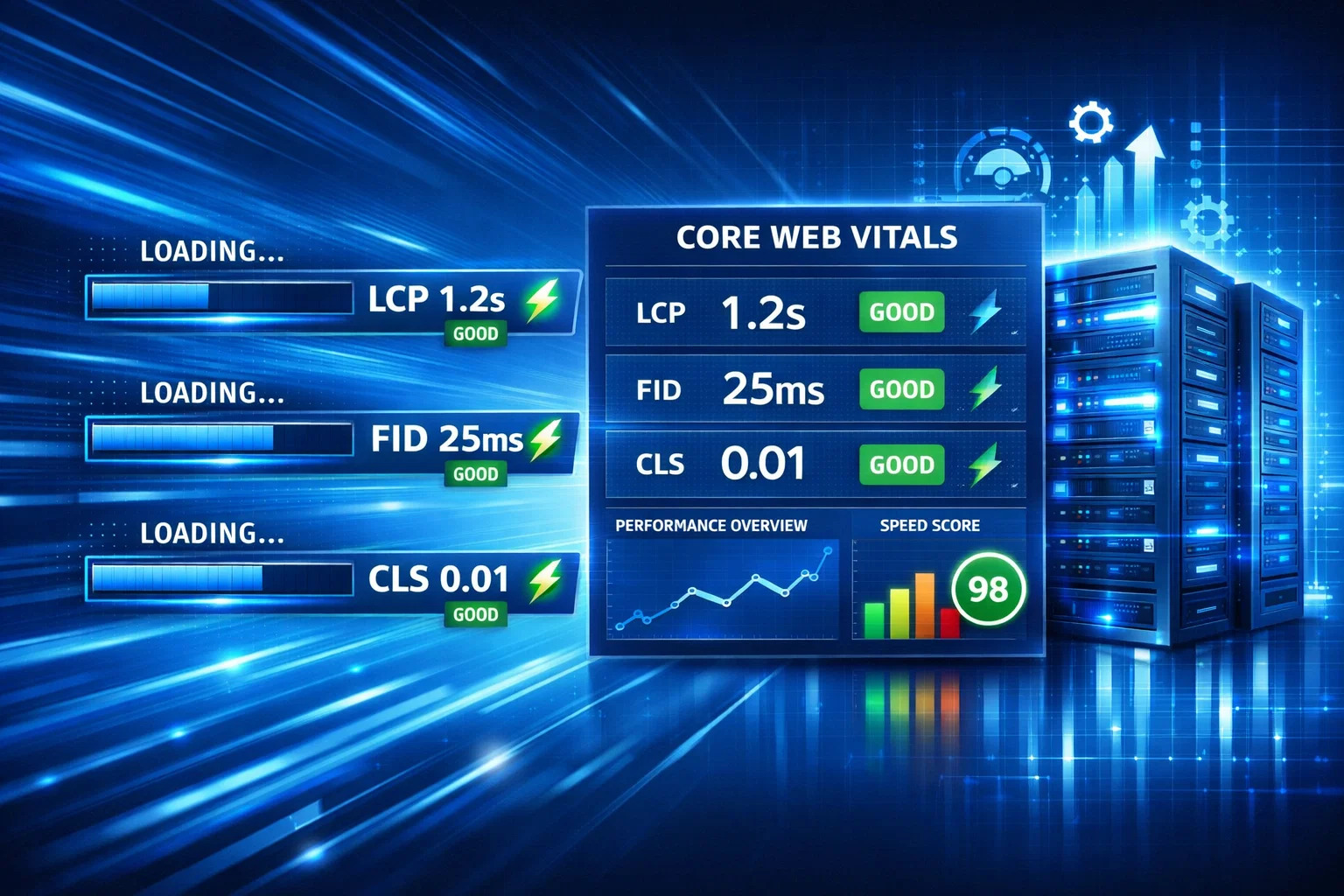
In the world of search engine rankings, Google has made it very clear: Core Web Vitals are a major ranking factor. This is a fancy way of saying that if your site is slow, you will be buried in the search results. Speed isn’t just a technical metric; it’s a customer service metric. A fast-loading site tells the visitor that you value their time.
Professional developers spend hours optimizing every kilobyte. They use advanced techniques like “lazy loading,” where images only appear right as you scroll to them, and “minification” of code to strip away any unnecessary weight. They also ensure that the server infrastructure is top-tier. Many businesses make the mistake of spending thousands on design only to host their site on a $5-a-month “shared” server that crawls to a halt during peak hours. A professional development strategy includes a plan for high-performance hosting that ensures your “digital front door” never gets stuck.
Security and the Trust Factor in Digital Transactions
As cyber threats become more sophisticated, the security of your website is a primary concern for your customers. A “Not Secure” warning in a browser bar is the fastest way to kill a sale. Modern development services prioritize high-level encryption and secure protocols from day one. This is especially vital for e-commerce sites or businesses that handle sensitive client data, such as law firms or healthcare providers.
Security isn’t a one-time setup; it’s an ongoing commitment. It involves regular updates, firewalls, and monitoring for unusual activity. When a business leverages expert development, they aren’t just getting a site; they are getting peace of mind. They know that their data, and more importantly their customers’ data, is shielded by industry-standard protections. This backend stability is what allows a brand to grow without the constant fear of a catastrophic data breach.
Accessibility and Why It Matters for Growth
A truly human-centered website is accessible to everyone, including people with visual, auditory, or motor impairments. In the United States, ADA (Americans with Disabilities Act) compliance for websites is becoming a major focus for businesses. Beyond the legal requirements, making your site accessible is simply good for business. It opens your brand up to a wider audience and demonstrates a level of social responsibility that resonates with modern consumers.
Professional designers and developers work together to ensure that colors have high enough contrast for the visually impaired, that all images have “alt-text” for screen readers, and that the site can be navigated using only a keyboard. This attention to detail doesn’t just help a specific group of people; it actually makes the site better for everyone. Clearer navigation and better structure benefit every single user who lands on your page.
The Relationship Between Design and Conversion Rates
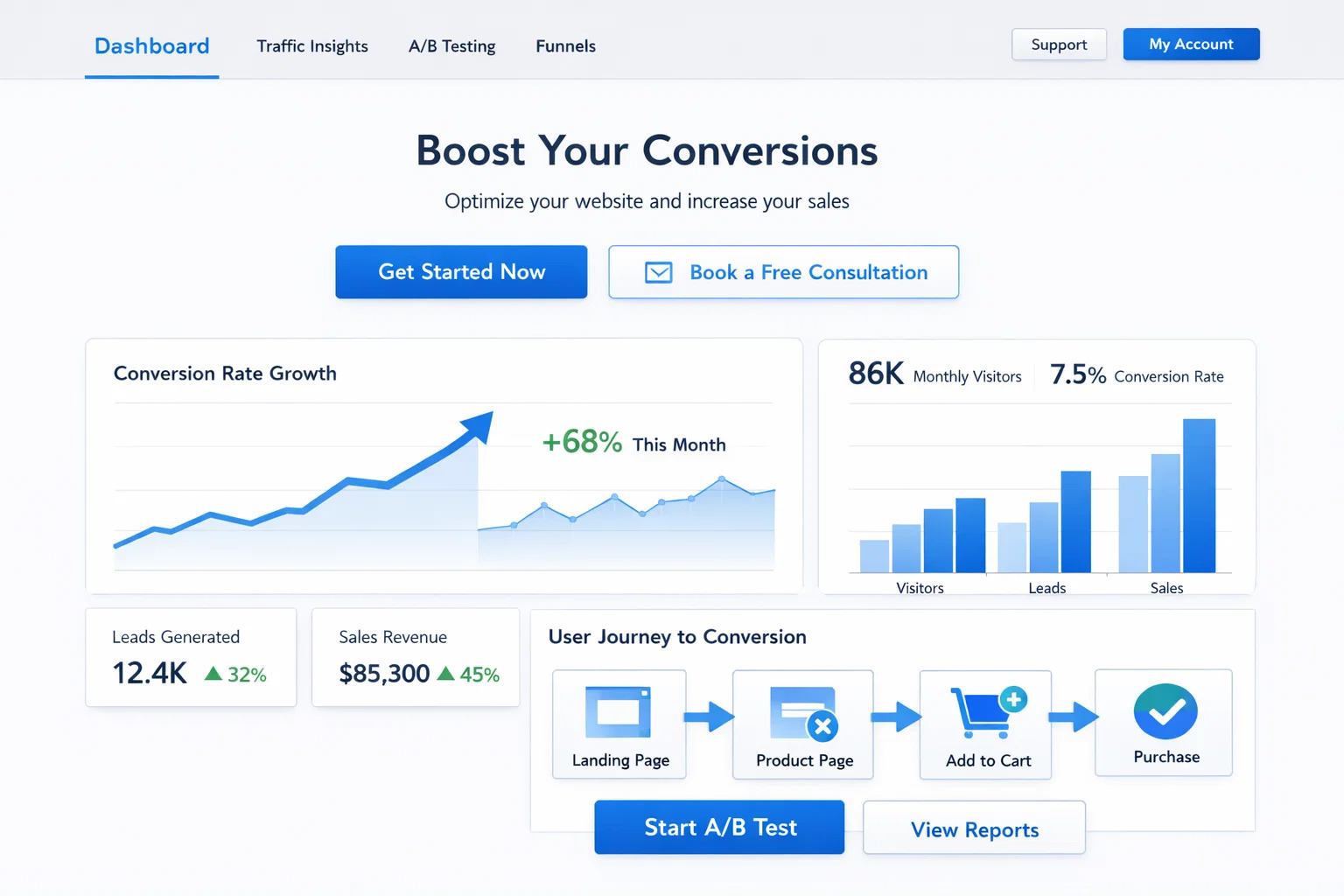
At the end of the day, a website exists to achieve a goal. That goal might be a phone call, an email sign-up, or a direct sale. Everything in the design should lead toward that “Call to Action” (CTA). Professional Web designing Services USA use a concept called “Conversion Rate Optimization” (CRO) to ensure that your site isn’t just a piece of art, but a sales machine.
This involves testing different button colors, moving contact forms to more intuitive locations, and simplifying the “checkout” or “contact” process to remove any friction. Humans are hard-wired to take the path of least resistance. If your contact form has twelve fields, people will quit halfway through. A professional designer knows how to ask for the same information in a way that feels effortless, significantly increasing the number of leads you generate from the same amount of traffic.
Long-Term Scalability and Avoiding the "Rebuild" Cycle
One of the most expensive mistakes a business can make is building a “disposable” website one that needs to be completely scrapped and rebuilt every two years because it wasn’t designed to grow. Expert Web development Services USA focus on modularity. They build sites using “Content Management Systems” (CMS) that are robust and flexible.
This means that when your business adds a new service line or opens a third location, you don’t need a new website. You simply add a new module. A well-developed site is an evolving asset. It can grow from a five-page informational site to a 500-page resource hub without losing its performance or its structural integrity. This long-term thinking is what separates “freelance” work from professional agency-level strategy. You are investing in a foundation that will serve you for years, not just months.
Choosing a Partner for the Digital Journey
The digital world moves fast, and keeping up with it is a full-time job. When you choose a partner for your web strategy, you are choosing the people who will represent your brand to the world. You need a team that understands the American market, the nuances of local search, and the high expectations of US consumers.
The best partnerships are those where the agency acts as an extension of your own team. They should spend time learning your business goals, your customer pain points, and your long-term vision before they ever write a single line of code. This collaborative approach ensures that the final product isn’t just a website, but a digital powerhouse that drives growth, builds trust, and stands the test of time. In 2026, your website is your most valuable employee. It’s time to give it the tools it needs to succeed.